Pregnancy Calculator
Pregnancy Calculator
Your Results
Estimated Due Date
Conception Date
Weeks Pregnant
Trimester
Pregnancy Calculator: Your Guide to a Due Date
You just got the news: you’re pregnant! The excitement, the nerves, the endless questions—it’s a whirlwind. One of the first questions you’re likely to ask is, “When is my baby due?” That’s where a pregnancy calculator comes in. This simple tool can feel like a magic wand, giving you a sneak peek into the future and helping you mark your calendar. In this guide, we’ll break down what a pregnancy calculator is, how it works, and why it’s such an invaluable resource for expectant parents.
Understanding the Pregnancy Calculator: How It Works
A pregnancy calculator, also known as a due date calculator, uses a few key pieces of information to estimate your baby’s arrival. The most common method relies on the date of your last menstrual period (LMP). It works on the assumption that a typical pregnancy lasts about 40 weeks, or 280 days, from the first day of your last period.
The calculator adds 40 weeks to your LMP to give you an estimated due date. It’s a quick and easy way to get a general idea, but remember, it’s an estimate, not a guarantee. According to the American College of Obstetricians and Gynecologists (ACOG), only about 5% of babies are born on their exact due date.
The Different Methods for Calculating Your Due Date
While the LMP method is the most popular, it’s not the only way to calculate your due date. Here are a few other methods your doctor might use:
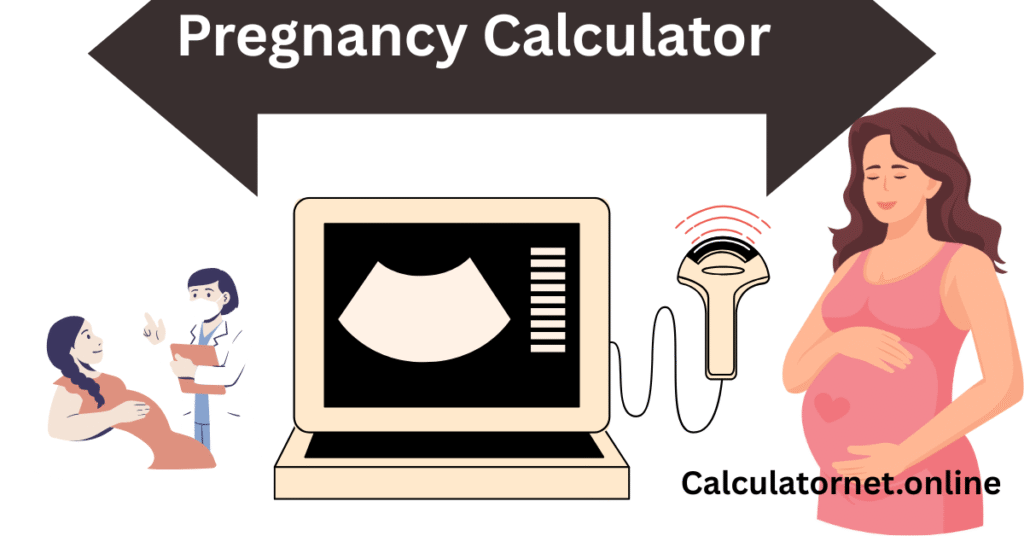
- First Trimester Ultrasound: An early ultrasound is often considered the most accurate method for establishing a due date, especially if your periods are irregular. The doctor measures the fetus to determine its gestational age and then calculates the due date from that.
- Conception Date: If you know the exact date you conceived, a pregnancy calculator can use this information. It adds 38 weeks to the conception date to determine the due date. This is particularly useful for those who used fertility treatments like in vitro fertilization (IVF).
- First Fetal Movement (Quickening): For first-time mothers, this usually happens around 18 to 20 weeks. For those who’ve been pregnant before, it might happen a bit earlier, around 16 to 18 weeks. While not as precise, this can provide a general idea.
Using a due date calculator can give you a starting point, but always confirm with your healthcare provider.
Why a Due Date Is More Than Just a Date
Knowing your estimated due date is helpful for a variety of reasons. It’s not just about counting down the days until you meet your baby; it’s also a tool for tracking your baby’s development.
- Milestone Tracking: Your due date helps you and your healthcare provider track important milestones, like your baby’s size and organ development.
- Planning and Preparation: It gives you a timeline for preparing your home, setting up the nursery, and getting all the necessary baby gear.
- Scheduling Appointments: Your doctor will use the due date to schedule prenatal visits, screenings, and tests at the right time.
- Mental Preparation: It helps you mentally prepare for the arrival of your new family member, allowing you to get excited about the journey ahead.
The Limitations of Due Date Calculators
While a due date calculator is an excellent tool, it’s important to understand its limitations. It provides an estimate, not an exact science. Many factors can influence your baby’s birth date, including:
- Irregular Periods: The LMP method assumes a 28-day cycle, which isn’t the case for everyone.
- Twin or Multiple Pregnancies: Due dates for twins or triplets are often earlier than for a single baby.
- Health and Lifestyle: Factors like your health, stress levels, and diet can all play a role.
Always view your due date as a target window rather than a fixed deadline.
FAQs About Pregnancy Calculators
What is the most accurate way to find my due date?
The most accurate method is typically an early ultrasound, especially if you have irregular periods. The ultrasound measures your baby and provides a more precise gestational age. Combining this with a due date calculator that uses your last menstrual period is a great way to start.
Can a pregnancy calculator be wrong?
Yes, a pregnancy calculator can be wrong because it gives an estimate, not a definitive date. It’s a tool to get a general idea, but many factors can affect your baby’s actual birth date. Only about 5% of babies are born on their exact due date.
How do I use a pregnancy due date calculator?
To use a pregnancy due date calculator, you’ll need the first day of your last menstrual period (LMP) and your average cycle length. Simply enter this information into the calculator, and it will provide your estimated due date, as well as a week-by-week timeline of your pregnancy.
Does an ultrasound change my due date?
An early ultrasound in the first trimester is considered highly accurate. If the due date from your ultrasound is different from the one calculated from your LMP, your doctor may adjust your due date based on the ultrasound findings.
Is it possible to be pregnant for more than 40 weeks?
Yes, it’s very common for a pregnancy to go beyond 40 weeks. A pregnancy is considered “full-term” between 39 and 41 weeks. After 41 weeks, it’s considered “late-term,” and after 42 weeks, it’s “post-term.” Your doctor will monitor you closely during this time.
How do I calculate my due date if I don’t know my last menstrual period?
If you don’t know the first day of your last menstrual period, don’t worry. Your healthcare provider will likely schedule an early ultrasound. This will measure the baby’s size to determine its gestational age, providing a much more accurate due date.
What is the difference between a due date and a conception date?
The due date is the estimated date your baby will be born, calculated 40 weeks from your last menstrual period. The conception date is the actual date you got pregnant, which is typically about two weeks after the start of your last period.
A pregnancy calculator is more than just a tool for counting down; it’s a way to feel more connected to your pregnancy journey from the very beginning. While the due date it provides is an estimate, it gives you a valuable roadmap for what’s to come. It’s a wonderful first step in planning and preparing for the new chapter of your life. So, go ahead, give it a try—and start getting excited about meeting your little one!
Are there any other questions you have about pregnancy and due dates? Feel free to ask in the comments below!